When it comes to home improvement or construction, selecting the right glazing for aluminum windows is crucial. Not only does it impact the aesthetic appeal of your property, but it also influences energy efficiency, security, and overall comfort. This comprehensive guide will delve into the various types of glazing available for aluminum windows, with a special focus on what makes these options perfect for homes in London. With industry insights from Durajoin Aluminium Windows and Doors, we’ll explore everything you need to know about glazing types.
Understanding Glazing: What Is It?
Glazing refers to the installation of glass panes within window frames. This term encompasses both the type of glass used and how it is installed. But why should you care about glazing? The answer lies in its significant effects on insulation, soundproofing, safety, and energy efficiency.
Why Choose Aluminum Windows in London?
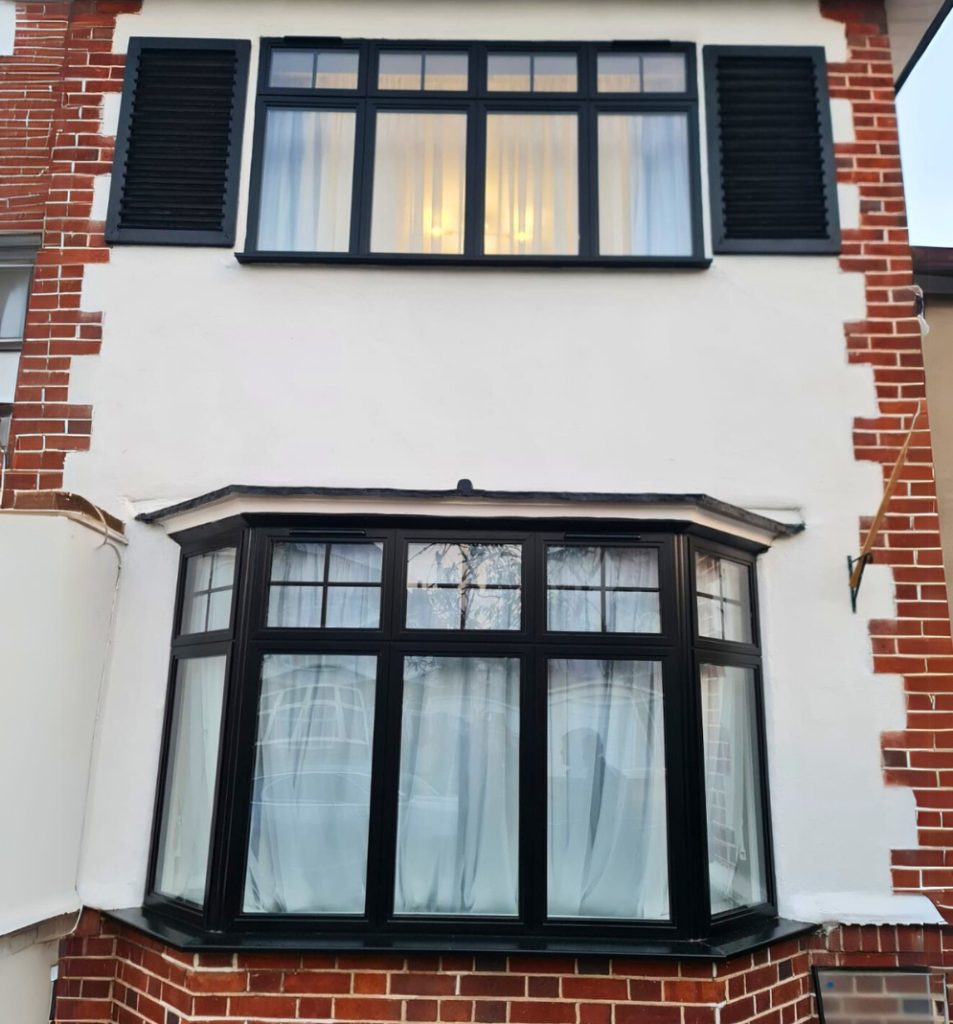
Aluminum windows are increasingly becoming popular among homeowners in London due to their sleek aesthetics and durability. They provide a modern look while also being highly customizable. Additionally, when combined with appropriate glazing options, aluminum windows can deliver superior thermal performance.
What Are the Different Types of Glazing?
In this section, we’ll break down various glazing types so you can make an informed decision.
1. Single Glazing: The Basics
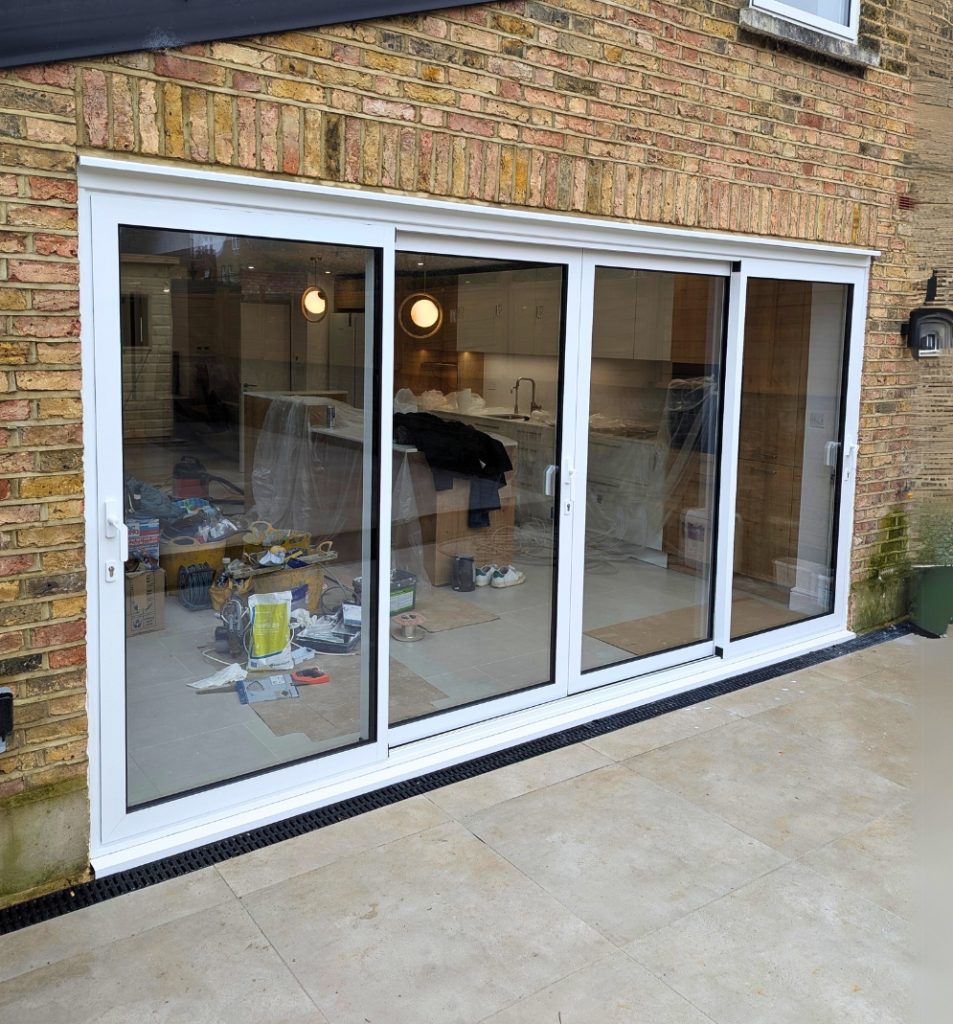
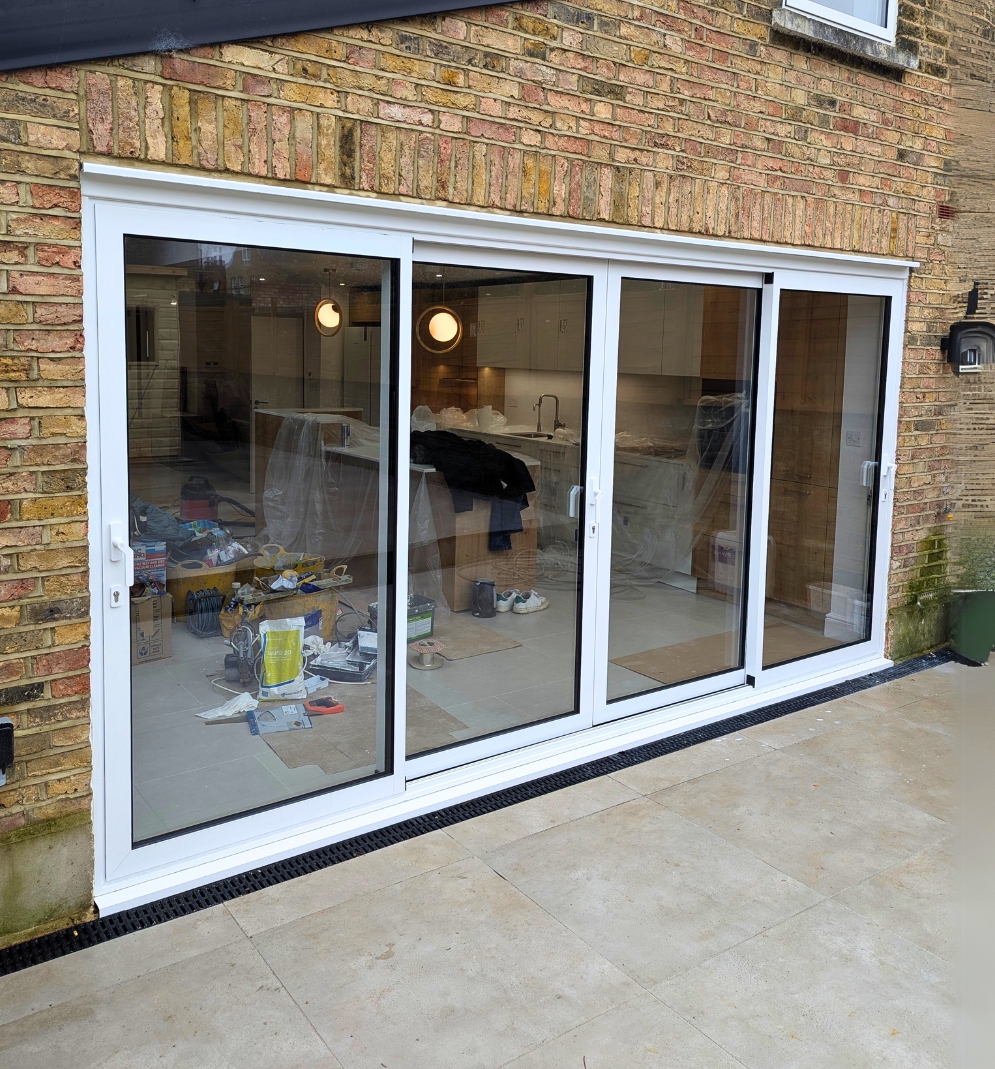
Single glazing consists of one pane of glass set within the window frame. While this is often the most cost-effective option, it offers minimal insulation.
- Pros: Lower initial costs. Cons: Poor energy efficiency.
2. Double Glazing: Energy Efficient Solution
Double glazing involves two panes of glass separated by an air or gas-filled space that acts as an insulator.
- Pros: Improved energy efficiency and reduced noise. Cons: Higher upfront costs than single glazing.
3. Triple Glazing: Maximum Insulation
Triple glazing includes three panes of glass and is often used in colder climates for maximum insulation.
- Pros: Exceptional thermal performance. Cons: Expensive and heavier than double-glazed units.
A Guide to Low-E Glass
Low-emissivity (Low-E) glass has a special coating that reflects heat back into your home while allowing light to pass through.
Benefits of Low-E Glass
Enhanced thermal insulation. Reduced UV rays entering your home. Lower energy bills over time.Tempered Glass: Safety First!
Tempered glass is treated with heat or chemicals to increase its strength compared to regular glass.
- Advantages: More resistant to impact and thermal stress. Disadvantages: If broken, it shatters into small pieces rather than sharp shards.
Laminated Glass: Sound Reduction Champion
Laminated glass consists of two or more layers bonded together with an interlayer that absorbs sound and provides additional durajoin.com security.
Key Features
Excellent noise reduction capabilities. Increased security against break-ins. UV protection keeps interiors safe from fading.Comparative Table of Glazing Types
| Type | Pros | Cons | Best For | |-------------------|-----------------------------------|--------------------------|----------------------------| | Single Glazing | Low cost | Poor insulation | Budget-conscious buyers | | Double Glazing | Good energy efficiency | Higher initial cost | Most common residential use| | Triple Glazing | Superior insulation | Heavy and expensive | Extremely cold climates | | Low-E Glass | Reduces heating/cooling costs | Costlier than standard | Eco-friendly homes | | Tempered Glass | Safety & impact resistance | Can be expensive | High-risk areas | | Laminated Glass | Soundproofing & security | More costly | Urban environments |
Choosing the Right Glazing for Your Home
When considering which type of glazing suits your needs best, several factors come into play:
Climate Budget constraints Desired aesthetic Local building regulationsFor instance, if you're residing in a bustling area like London where noise pollution is prevalent, laminated glass may serve as a better option due to its soundproof characteristics.
Installation Process: What You Need To Know
Installing aluminum windows with glazed panels isn’t just about picking the right materials; it's also crucial how they are installed:
Ensure proper sealing around frames. Use high-quality adhesives. Allow adequate curing time before exposure to elements.Maintenance Tips for Longevity
To ensure your aluminum windows continue looking great while performing optimally:
Regularly clean frames and glass surfaces. Inspect seals for any wear or damage. Schedule periodic professional maintenance checks.FAQs
1. What are Aluminium Windows?
Aluminium windows are window systems made primarily from aluminum frames offering durability and design flexibility ideal for modern architecture.
2. Are double-glazed aluminium windows worth it?
Yes! They provide great insulation properties that can significantly reduce heating costs over time—ideal for homes in London facing cold winters!
3. How long do aluminium windows last?
With proper care, aluminium windows can last 30 years or more without significant degradation in performance or aesthetics.
4. Do I need planning permission for aluminium window installation?
This largely depends on local building regulations; however, many homeowners can replace existing windows without requiring permits if similar materials are used.
5. Can I install aluminium windows myself?
While DIY installation might seem appealing for cost-saving purposes, hiring professionals ensures proper fitting and sealing—key factors influencing longevity!
6. How energy-efficient are aluminium windows?
When paired with quality glazing such as double or low-E options, aluminium windows can achieve excellent energy efficiency ratings—great news for environmentally conscious homeowners!
Conclusion
Choosing the right glazing for your aluminum windows can dramatically affect not only your home's appearance but also its functionality and comfort level throughout the year—especially in dynamic climates like London’s! Whether you opt for double-glazed units from industry leaders like Durajoin Aluminium Windows and Doors or consider advanced options such as triple-glazed panels or laminated glass solutions aimed at maximizing sound reduction—each choice carries unique advantages tailored to your specific needs!
Armed with this comprehensive guide on “A Guide to the Different Types of Glazing for Aluminum Windows,” you’re now ready to make informed decisions that will elevate not just your property’s value but also its livability!